


This article is adapted from AQ’s special report on Mexico’s path forward
AQ: The first AmericasBarometer survey was published more than two decades ago. How does this year’s survey differ from previous editions?
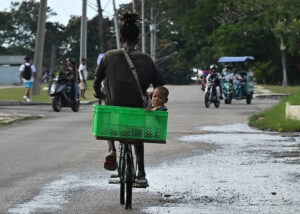
NL: We were able to do a survey in Cuba for the first time. Observers of the region often leave Cuba out because it’s hard to get information about what’s going on there, so bringing it into conversation with the rest of the region is important. With changing U.S. policy toward Cuba, we thought this was an important time to give a voice to everyday Cubans’ perspectives.
AQ: What was the biggest surprise?
NL: Compared to the last survey three years ago, people across the region are more positive about their personal circumstances, the economy, security, democracy, and political institutions. Post-pandemic inflation has receded, and we have seen a lot of government turnover, so there is optimism about new governments doing things differently. It is a real shift: Ever since the end of the commodity boom, we’ve seen declining perceptions of the economy and government corruption and declining trust in elections and democracy. It’s an uptick from a pretty low baseline, and in general, people are still having a hard time and are still not satisfied with their political systems.
AQ: What does the survey indicate about Latin America’s attitudes toward the United States and China?
NL: In the last three years, perceptions of the U.S. government have become much more negative across the region. Trust in China went down during the pandemic and has come back up to pre-pandemic levels, while trust in the U.S. has been declining since 2021. China is now seen as a more trustworthy partner than the U.S. government.
AQ: What are your most positive and negative takeaways from the survey?
NL: The most positive takeaway is this uptick, but that same result worries me. At least some people are responding to better economic and security conditions and translating that into how they feel about democracy. If democracy to folks in the region is only good when it delivers economic benefits and reduced crime, that’s a thin basis for commitment to democracy. A very transactional way of thinking about our political systems doesn’t bode well for the long-term sustainability of democracy.
—
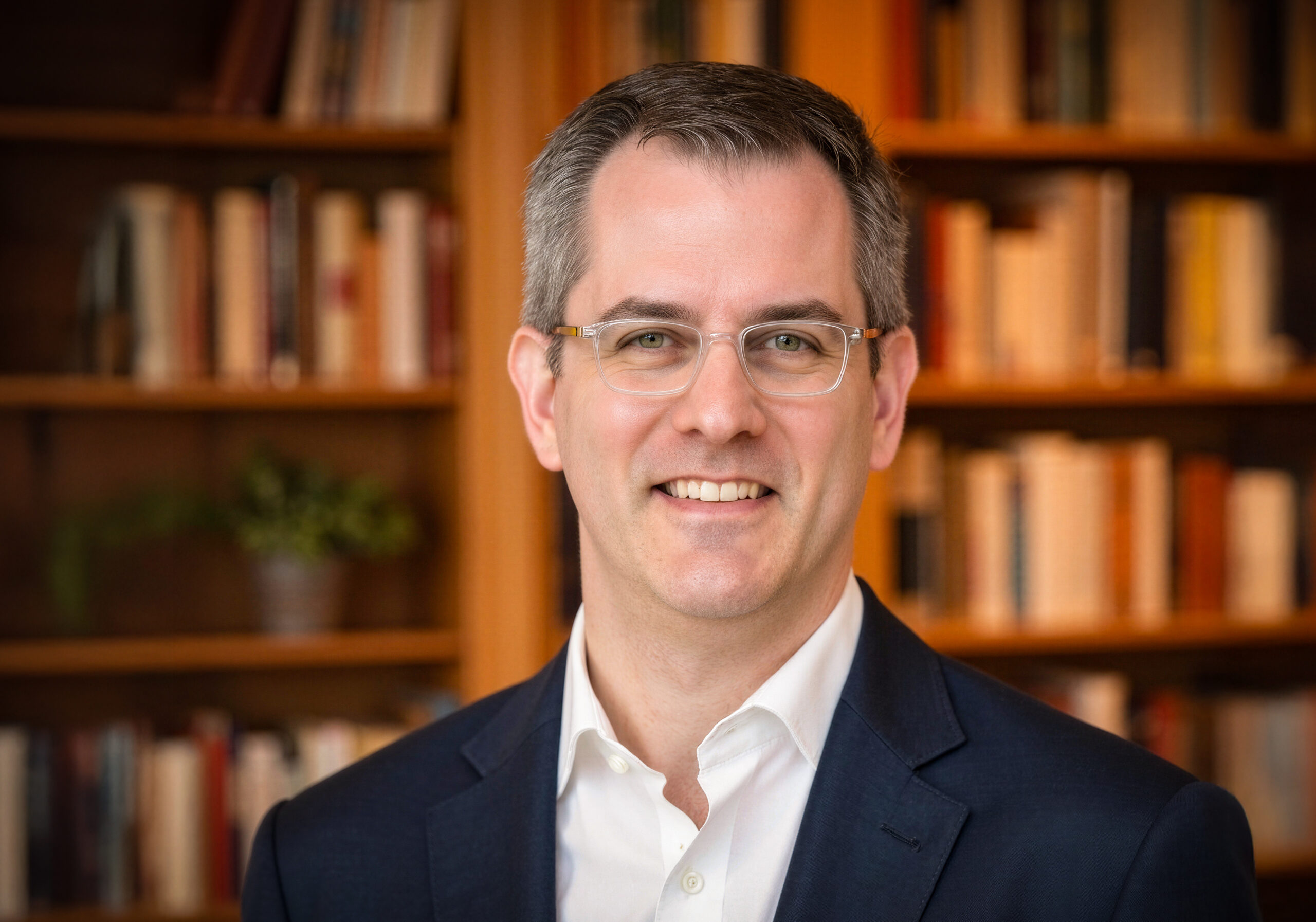
Lupu is the Gertrude Conaway Vanderbilt Professor of Political Science at Vanderbilt University and director of the Center for Global Democracy and LAPOP Lab
This interview has been edited for clarity and length.
ABOUT THE AUTHOR
Emilie Sweigart
Reading Time: 2 minutesSweigart is an editor at Americas Quarterly and a policy manager at the Americas Society/Council of the Americas
Support for Democracy—but also Strongmen—Is Rising in Latin America
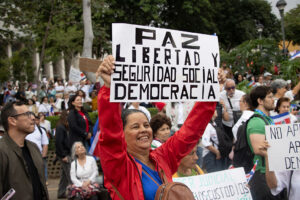
For the first time in a generation, democracy is considered the best form of government. At the same time, China is now more trusted than the U.S.
AQ Podcast | How Latin Americans Feel About the U.S., Democracy, Their Economies and More
Noam Lupu of Vanderbilt's Center for Global Democracy on a new survey that shows a slight uptick in support for democracy, and shifting views on Trump, China, and emigration.