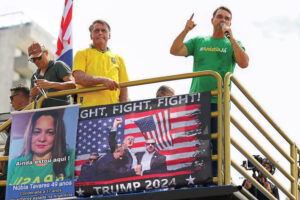



BRASÍLIA—For almost a decade, Brazil’s establishment has been predicting the imminent fall of the House of Bolsonaro. During the 2018 campaign, they insisted Jair Bolsonaro was too extreme, too tosco (uncouth), to ever be elected president. During his four years in office, as scandals and then the pandemic wreaked havoc, they insisted impeachment was always just around the corner. After Bolsonaro lost the 2022 election by two percentage points, and was imprisoned for trying to overturn the result, many said the family would never sniff power again.
Through it all, the family has proven their skeptics wrong—and retained their primacy as the leading conservative brand in Brazilian politics, much as their ally Donald Trump did during his four years out of power. But with the World Cup now over, and Brazil’s attention turning fully to the October 4 presidential election, the Bolsonaros have never looked more vulnerable than they do today. Already reeling from scandal and an embarrassing intra-family feud, last week’s announcement of new 25% tariffs on Brazil by the Trump administration may prove to be the definitive blow that knocks the family from their perch and delivers another term to President Luiz Inácio Lula da Silva.
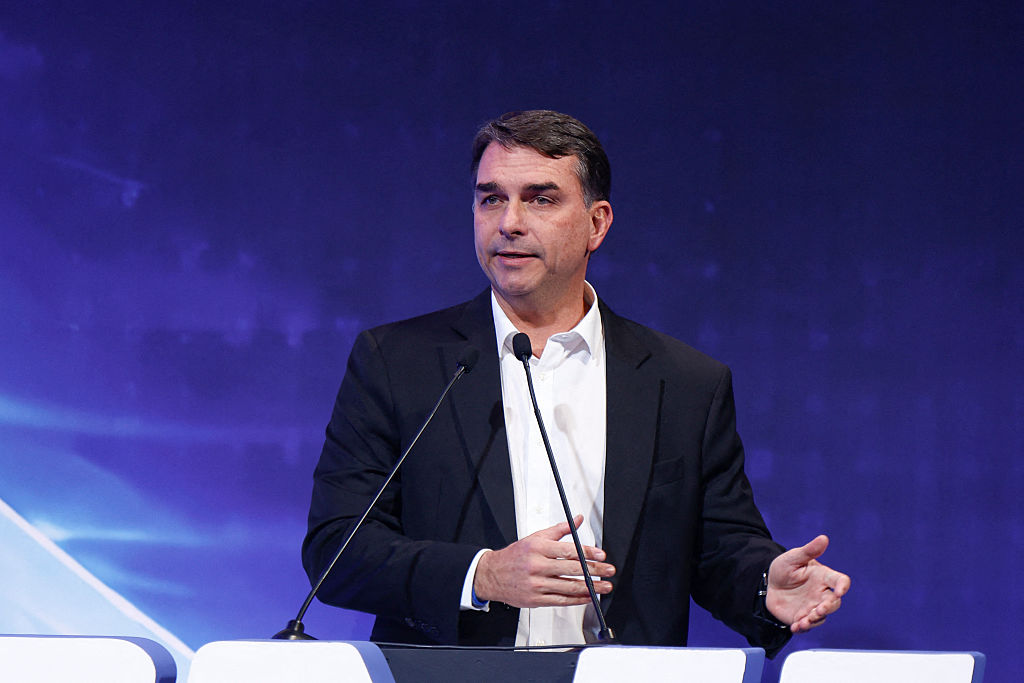
Flávio Bolsonaro, who became the movement’s standard-bearer following his father’s arrest, led Lula in polls as recently as April, aided by the same political tailwinds, including rising frustration over crime, that have led right-leaning candidates to win 12 of the last 15 presidential elections in Latin America. But May saw a game-changing event: a leaked audio message in which Flávio asked Daniel Vorcaro, a disgraced banker at the heart of this year’s biggest political scandal, for money to finance a film about his father. (Flávio has acknowledged the request, but denied any wrongdoing.) Curiously, it was not the disclosure itself that most damaged Flávio, whose numbers barely budged at first, but the aftermath.
Indeed, polling suggests the bigger blow was a 26-minute video released in late June by former first lady Michelle Bolsonaro, in which she detailed months of infighting and accused Flávio of a “stab in the back.” Once again the specifics were somewhat tame. But Michelle is a political star in her own right, beloved among the growing Evangelical Christian community that is the family’s most loyal base. The public rift with her stepson, who at 45 is a year older than she, contributed to a sense of a campaign in trouble—and especially turned off women and independent voters, polls show. Some speculate Michelle, who is close to members of Brazil’s powerful Supreme Court, has been briefed of potential further allegations against Flávio and is jumping ship now in order to protect her own eventual run for president in 2030.
To the domestic drama, add a bombshell from abroad. Trump first imposed a 50% tariff on Brazil a year ago in an attempt to pressure Lula and the Supreme Court to drop charges against Jair Bolsonaro. When that effort backfired, boosting Lula’s approval as Brazilians rejected foreign interference in their courts, Trump retreated and dropped the tariff. Yet last week his administration announced a new 25% levy, apparently urged on by White House protectionists indifferent to the political consequences. The renewed backlash in Brazil was predictable enough that Flávio had traveled to Washington days earlier to plead with U.S. officials to at least wait until after the October election to drop the hammer. To no avail. While many goods were exempted, the tariffs are likely to cause the most damage in manufacturing-heavy southeastern states that supported Jair Bolsonaro in the previous election. Polls suggest Brazilians blame the Bolsonaro family more than Lula for the tariffs, and the nickname TariFlávio has gone viral on social media.
The net effect of all this: Lula has gone from trailing Flávio by two points in April to leading him by seven in a hypothetical runoff, according to new polling last week by Quaest. The 80-year-old incumbent has been further aided by improving sentiment about Brazil’s economy—although growth is low, and real interest rates remain stuck at around 10%, a barrage of election-year government programs including consumer debt forgiveness have made some voters feel better about their pocketbooks, at least for now.
Could another, less compromised right-wing challenger overtake Flávio and make it to the runoff? That looks unlikely. The preferred candidate of the establishment, governor Ronaldo Caiado, is an old-school politician barely registering 5% in polls. He is splitting the non-Bolsonaro conservative vote with Renan Santos, an outsider. Neither has yet had anything resembling a breakthrough moment. On a trip to Brazil this month, I was struck by the evident lack of enthusiasm among the public for any of the candidates, a contrast with the more polarized and engaged environment of the 2018 and 2022 campaigns. The prevailing vibe was resignation, in part because the stakes this time don’t seem quite as high.
It is too early to call the election just yet. Polling in Brazil, as elsewhere, has consistently understated right-wing support. Lula faces numerous challenges of his own, including his age and perceived weakness on crime. But with just over 10 weeks to go, the Bolsonaros are in danger of losing more than just the election. The other palpable sentiment during my visit was anger among conservatives in Congress and the business community, furious that the Bolsonaros appear to be wasting a golden opportunity to defeat Lula. “It’s a perpetual circus,” a prominent former supporter told me. “They think only of themselves.” These are not new complaints about the Bolsonaros. But unless the family can quickly stage another comeback, their time at the top of Brazil’s right-wing movement may also come to an end.
ABOUT THE AUTHOR

Brian Winter
Reading Time: 4 minutesWinter is the editor-in-chief of Americas Quarterly and a seasoned analyst of Latin American politics, with more than 25 years following the region’s ups and downs.

Q&A: Thomas Traumann on Brazil’s October Elections
A veteran political analyst discusses voter trends and the issues that will shape the Lula-Flávio showdown.
AQ Podcast | Trump Wades into Brazil’s Campaign (Again)
Chris Garman on the FTO designation, new tariffs, and what Washington's latest moves mean for Brazil's October election.