


On July 28th, Keiko Fujimori took office as Peru’s ninth president in ten years. Most of her predecessors’ terms ended in impeachment, resignation, or prison. She won a June runoff by close to 50,000 votes, less than a full percentage point ahead of leftist Roberto Sánchez, and her inauguration ceremony captured the challenge ahead: Opposition lawmakers walked out of Congress rather than hear her inaugural address.
Fujimori campaigned on stability, security, and economic reform, a message that resonated in a country where the homicide rate has doubled in recent years and where most agree the economy, despite growing 3.4% last year, is still far from its potential. Her father’s shadow looms large: Alberto Fujimori stabilized Peru’s economy and defeated the Shining Path in the 1990s, but was later imprisoned for human rights abuses and corruption.
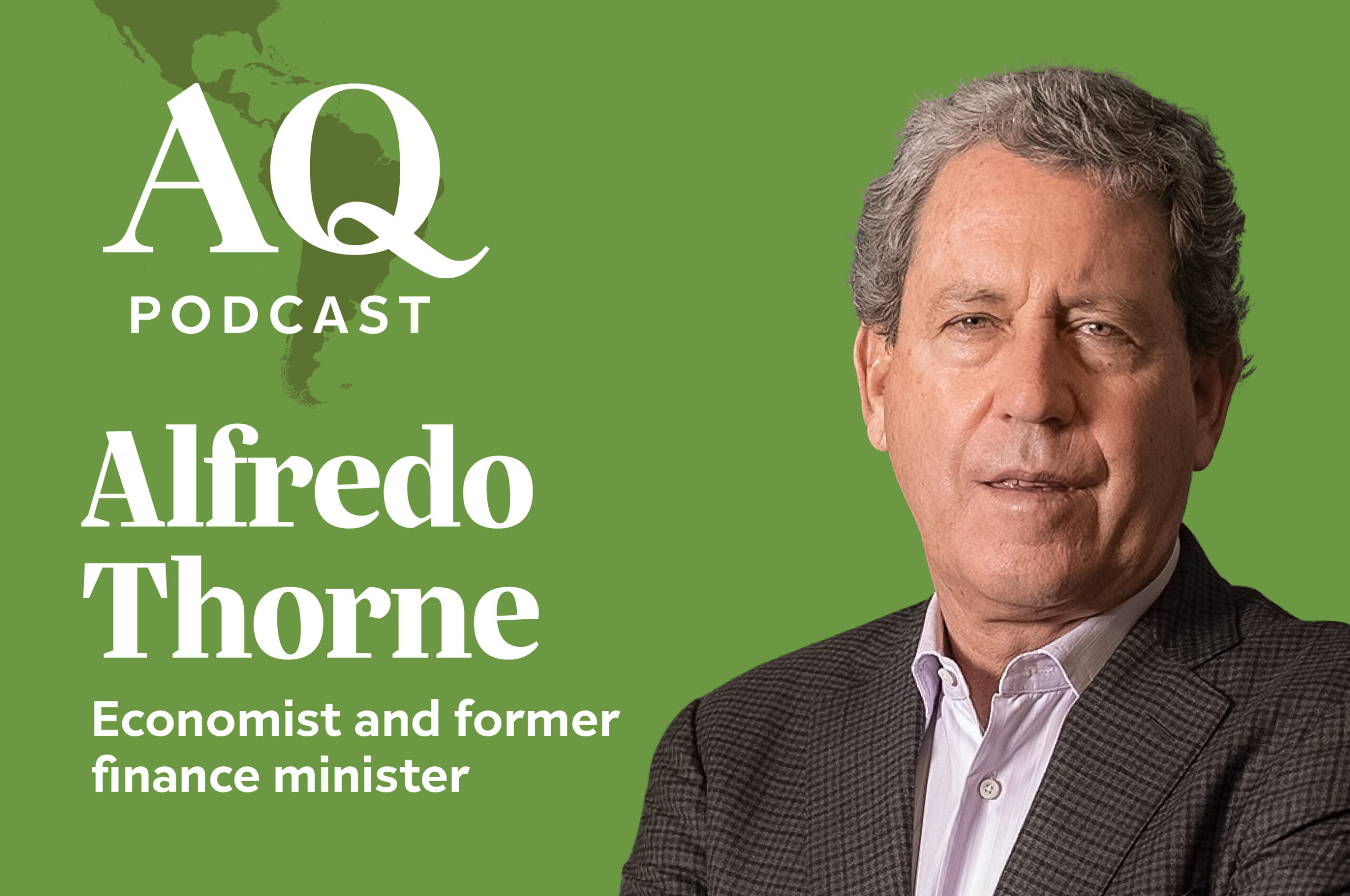
Today on the podcast, we ask whether Keiko Fujimori can bring stability after a decade of chaos, unlock Peru’s economic potential, and navigate the country’s relationship with Washington and Beijing. Our guest is Alfredo Thorne, former Minister of Economy and Finance of Peru.
Listen to this episode and subscribe to The Americas Quarterly Podcast on Apple, Spotify and other platforms
Guest:
Alfredo Thorne is the former Finance Minister of Peru.
Host:
Brian Winter is editor-in-chief of Americas Quarterly
If you would like to know more:
Keiko Fujimori’s Defining Choice in Peru by Michael Reid
REACTION: Peru Runoff Is Too Close to Call (Again) by AQ Editors
Peru’s Chaotic Election — and Some Reasons for Hope by Michael Reid
A New Test for Peru’s Economic Resilience by Luis Miguel Castilla
Peru: Meet the Candidates 2026 by Rich Brown