


Venezuela’s regime and parts of the political opposition are holding a new round of talks that analysts and citizens hope could lead to a democratic transition. The dialogue brings together Dinorah Figuera, representing the opposition-aligned 2015 National Assembly, and Jorge Rodríguez, brother of acting president Delcy Rodríguez and current head of the legislature.
It comes more than seven months after the U.S. capture of Nicolás Maduro on January 3rd, and at a moment when Washington has unprecedented leverage over Venezuelan affairs.
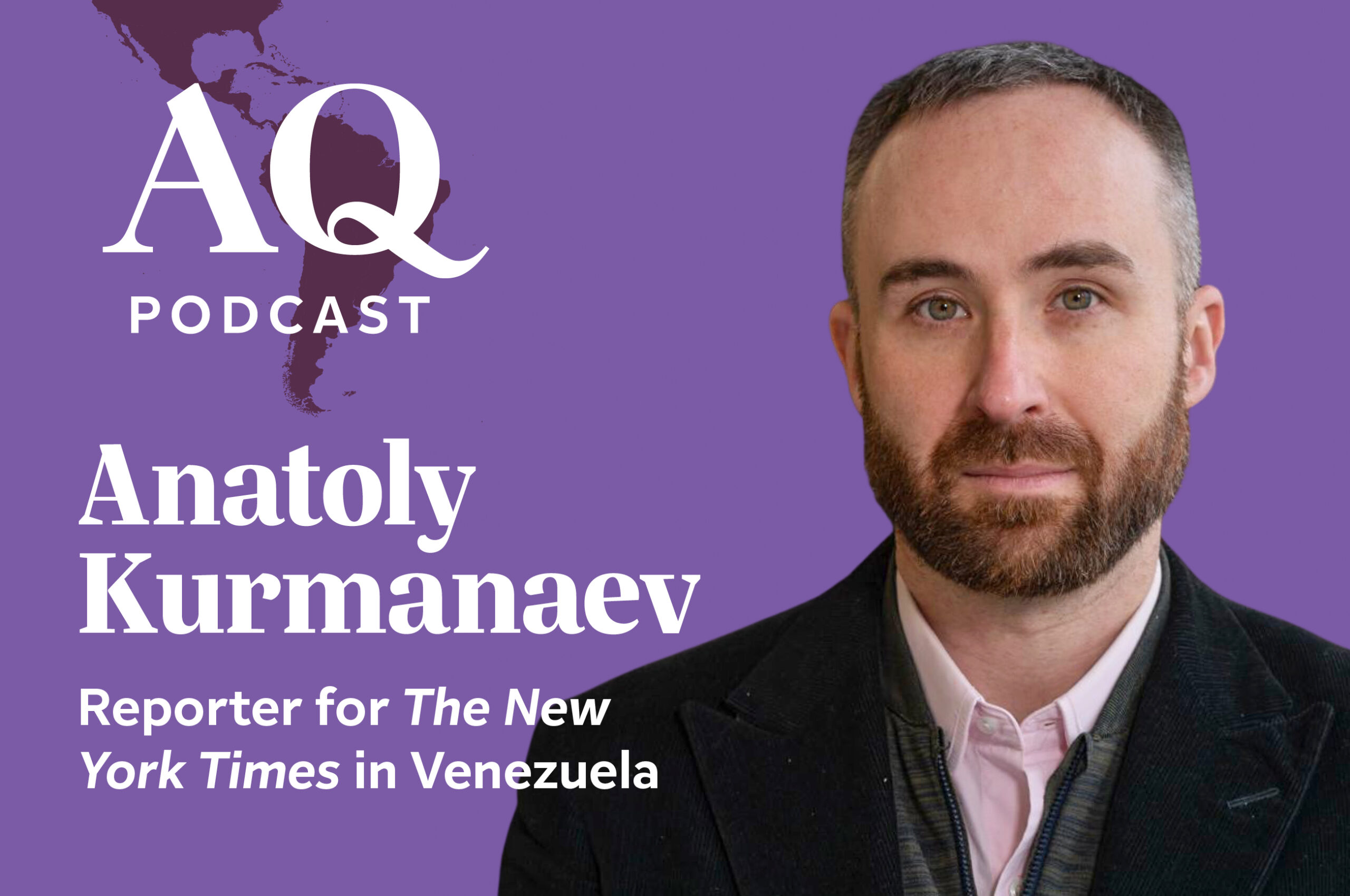
Today on the podcast, we ask what Delcy Rodríguez actually wants out of this process, what role María Corina Machado will play given her absence from the talks, and whether the chavista regime is pursuing genuine change or simply stalling for time until Trump leaves office. Our guest is Anatoly Kurmanaev, international correspondent for The New York Times, who recently spent several weeks reporting from the country. He spoke to AQ from Germany.
Listen to this episode and subscribe to The Americas Quarterly Podcast on Apple, Spotify and other platforms
Guest:
Anatoly Kurmanaev is a reporter for The New York Times, currently covering Venezuela
Host:
José Enrique Arrioja is managing editor of Americas Quarterly
If you would like to know more:
The Real Negotiation Venezuela Needs by Benigno Alarcón Deza
Venezuela’s Shattered Post-Quakes Economy by Asdrúbal Oliveros and Jesús Palacios Chacín
Venezuela’s Citgo and the Strategic Stakes for U.S. Policy by Brian Fonseca
How Can Venezuela’s Opposition Regain Momentum? by Omar Lugo
Reinventing Venezuela’s Struggling Electricity Sector by Francisco Morandi and Luisa Palacios
Without Institutional Change, Venezuela’s Oil Bonanza Remains Unviable by Francisco Monaldi
AQ Podcast | Understanding Delcy Rodríguez
Juan Forero, South America Bureau Chief for the Wall Street Journal, on whether Delcy Rodríguez is managing a real change in Venezuela or just buying time.