


This article is adapted from AQ’s special report on Latin America’s space race
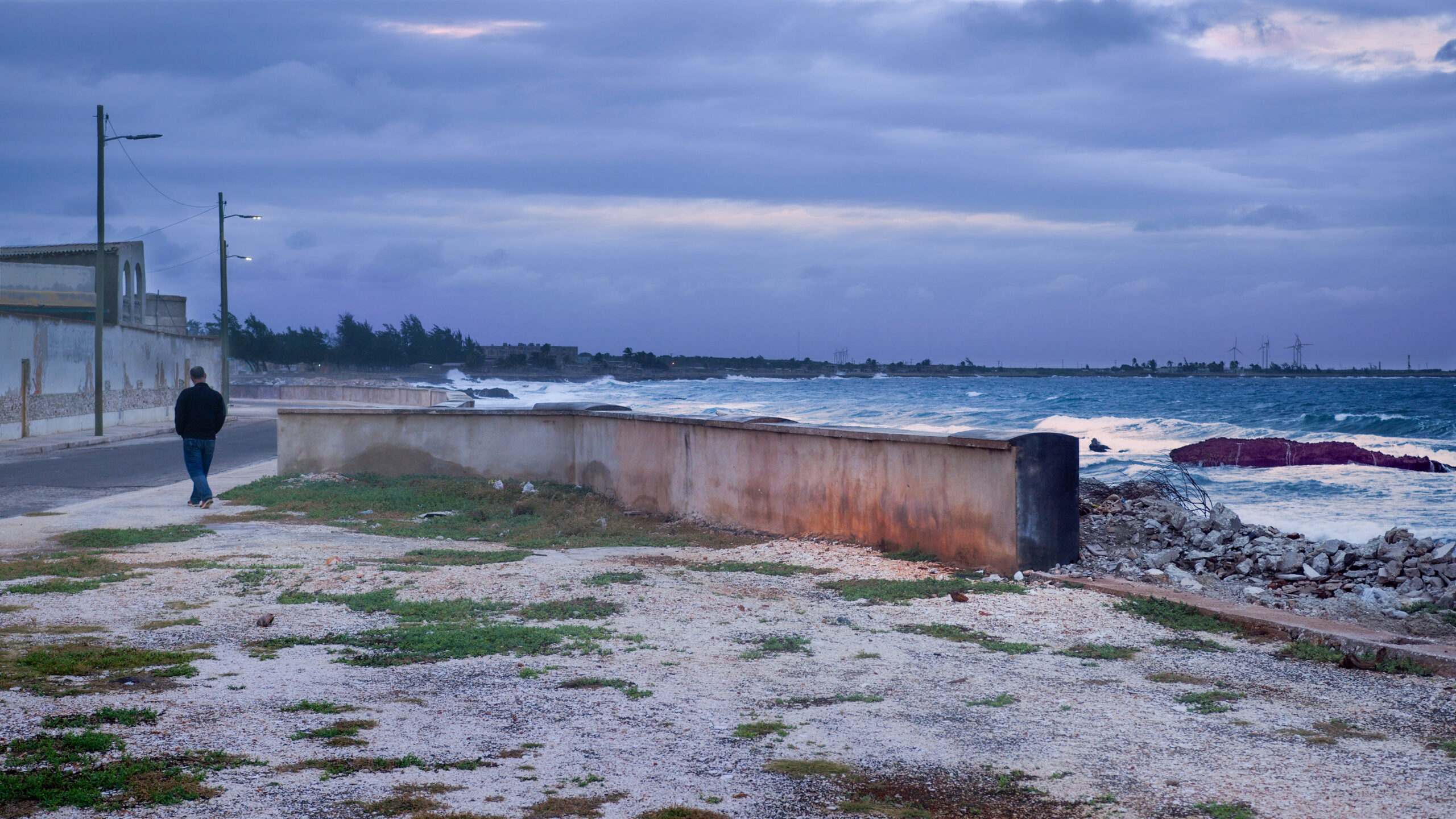
When Christopher Columbus and his crew glimpsed Cuba for the first time in October 1492, the lush terrain they likely saw included a stretch of land known today as Gibara. This small town is the subject of Cuban filmmaker Armando Capó’s latest documentary, The Land of the Whale.
Capó grew up in Gibara but left as a young man for Havana to pursue filmmaking. Many years later, he returned home armed with a camera and a sound recorder, assuming the role of an encyclopedic historian and hoping to record every possible anecdote about his fading town. Simple shots of Gibara’s modest buildings interlock with conversations between Capó and three of his former teachers, all in advanced age: Antonio Lemus Nicolau, a pianist; Tony Ortega Piferrer, a taxidermist; and Luis Catalá, a master of watercolors. Obsessed with preserving the past, they bring to life precious stories, not just about Gibara, but about Cuba’s cultural history and what’s been lost.
Antonio reminisces about José Rey de la Torre, one of Cuba’s most celebrated classical guitarists of the last century, while Tony gives Capó a detailed breakdown of the moment in 1978 when an enormous dead humpback whale was found by the locals and collectively cut for its meat. Tony was a part of the team responsible for preserving the whale’s bones, exposing gibareños’ refusal to forget any piece of their town’s story and, in a way, mirroring Capó’s desire to document it before it’s too late.
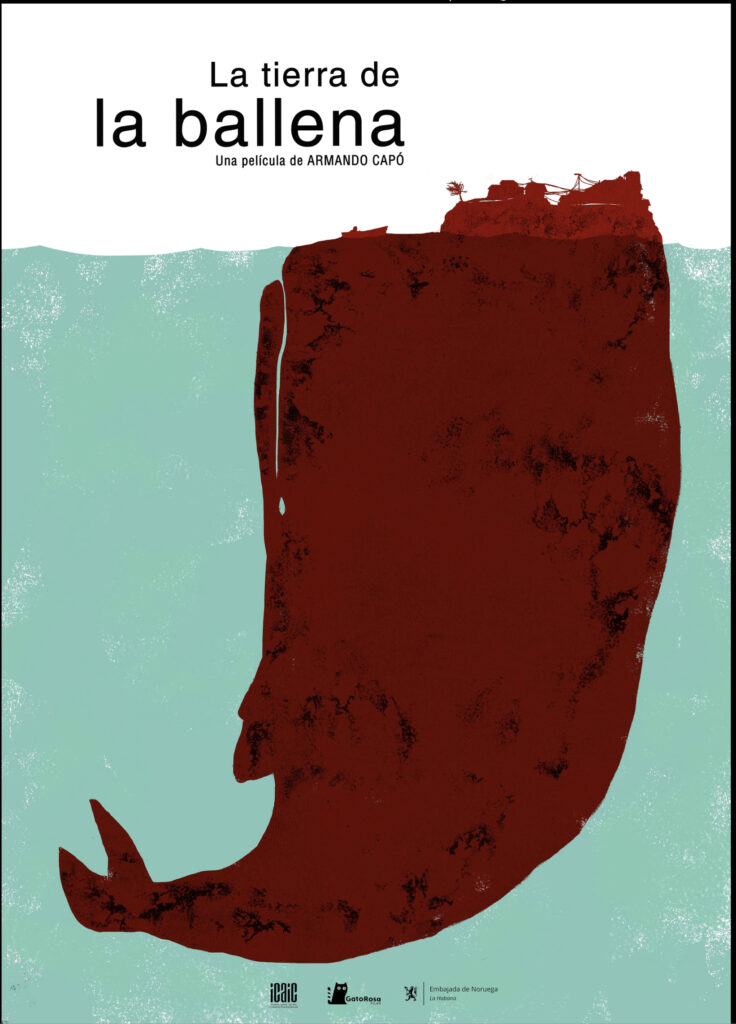
The Land of the Whale (La tierra de la ballena)
Directed by Armando Capó
Screenplay by Armando Capó
Where to stream: Icarus Films
Starring Antonio Lemus Nicolau, Antonio “Tony” Ortega Piferrer, and Luis Catalá
Cuba
For all their color, as these tales pile up, they come to feel bland and provincial, turning the film into a book report on Gibara. It’s a kind of nostalgia that leaves little room for renewal. A possible saving grace emerges during a visit to Luis’ personal studio, when the old artist stumbles upon one of his very first watercolor works and tearily admits: “In all sincerity, I can’t do this now.” The tender scene ends with Luis’ recognition that he’d love to go back to when he was younger, because he would have preferred “not to have seen this.” By “this,” he means the town’s neglect and impending death. Gibara used to live off fishing and tourism, two industries that have since declined and emptied the town’s streets, consigning its elderly people to solitude. What were once beautiful landmarks are now dilapidated structures. Silence reigns.
In this sense, Luis’ remarks highlight the film’s most interesting question about the human cost of being left behind, even if they fail to wake the film from its slumber. They also catalyze Capó’s reflections, spurring him to wonder whether craftworks may be uniquely immune to loss. Can a whale’s bones, a piano recording, or a watercolor far outlast a town and its inhabitants? Perhaps. Yet, in Capó’s film, remembering Gibara seems relegated to the adventures of chance, much like a whale washing up on the shore.
If the documentary already revealed a run-down society when it was filmed six years ago, we can only imagine what it must be enduring now. Cuba’s economy has all but collapsed, and Cubans are living through the worst humanitarian crisis in the island’s recent history.
Capó shot the film in 2020, but he edited it about three years later, realizing that he had inadvertently “recorded a farewell.” The film is an elegy not just to Gibara’s memories and people but also to Cuba’s cultural tradition. Amid political and economic turmoil, Capó bets that art will live on, even when no one is there to savor it.
ABOUT THE AUTHOR

Ena Alvarado
Reading Time: 3 minutesAlvarado is a writer and former assistant editor at The Atlantic.

The Legacies of Brazil’s Bolsa Família
A new documentary follows the mothers and daughters of Guaribas, Brazil’s pilot city for the famed Bolsa Família cash-transfer program.
Female Rage in a Country on Edge
An ambitious film misses the mark in depicting a temperamental teenager at the turn of the millennium in Argentina.