


This article is adapted from AQ’s special report on Latin America’s demographic transformation
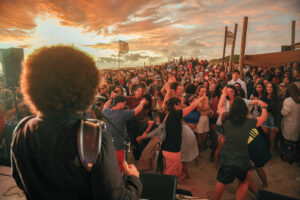
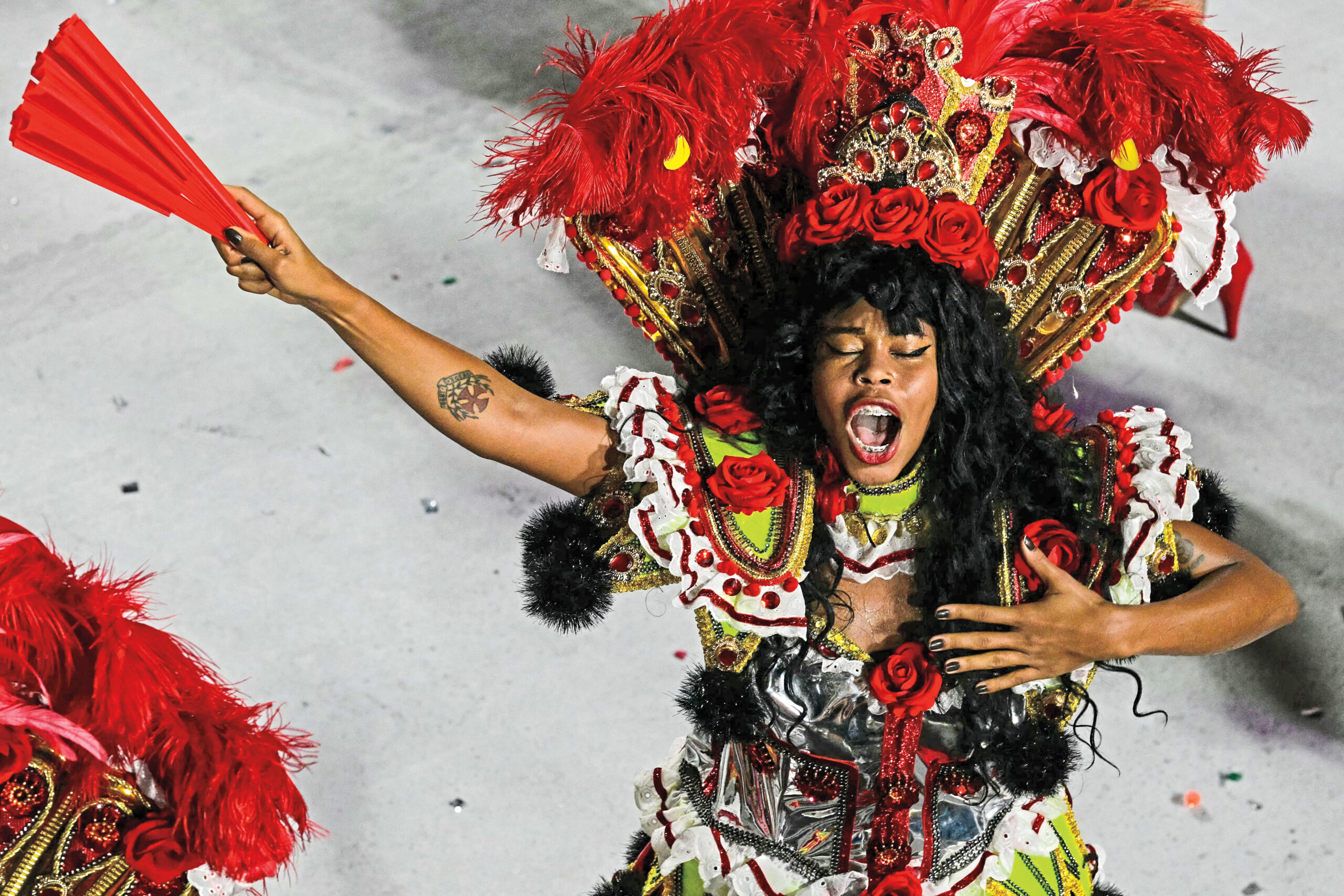
Every year, Carnival makes people dance on the streets from Montevideo to Port of Spain. So, our playlist features old and new Carnival music, with an unconnected bonus track from a very old Guatemalan collection that has become a favorite source of new finds in these playlists.
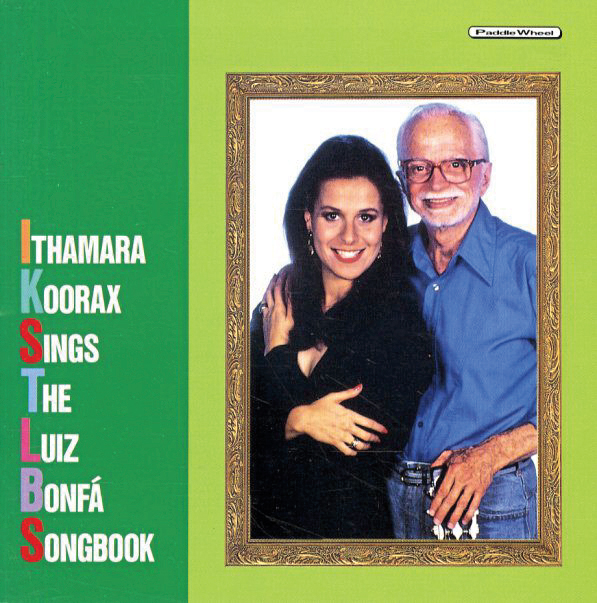
Samba de Orfeu
by Luiz Bonfá and Ithamara Koorax
Carnival in Rio came to international attention largely through Marcel Camus’ Orfeu negro, the 1959 Oscar-winning film based on Vinícius de Moraes’ play Orfeu da Conceição, which reimagines the Greek myth in Rio. The film introduced samba, the then-nascent bossa nova and now-legendary composers Tom Jobim and Luiz Bonfá to an international audience. It came out the same year as João Gilberto’s landmark album Chega de saudade. Bonfá’s “Samba de Orfeu” plays an important role in the movie, closing it on a hopeful note. The soundtrack version is almost inseparable from the film, so, instead, I included a 1996 recording by the composer, sung by fellow carioca Ithamara Koorax. The song starts with just voice and guitar before an international all-star band joins in with Ron Carter, Eumir Deodato and Sadao Watanabe all trading brilliant solos. The beat keeps us in the fleeting “moment of dreams” of Carnival, until Ash Wednesday brings us back to reality, as Vinícius reminds us in “Felicidade,” another song from the movie’s soundtrack.
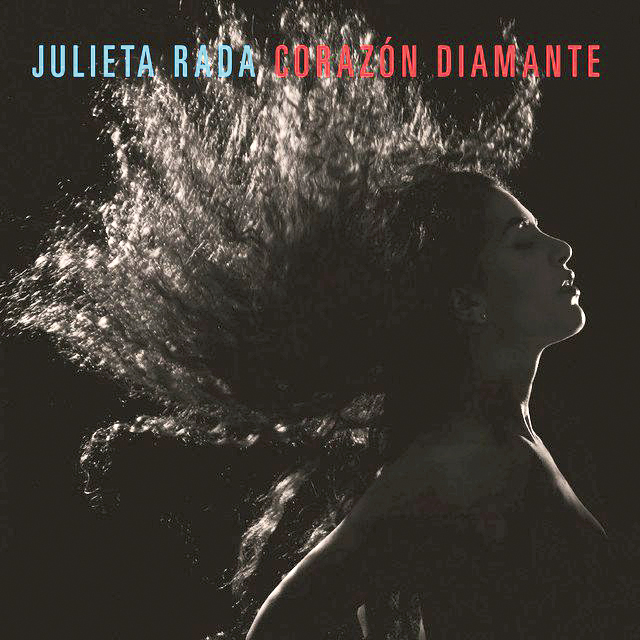
Malísimo
by Julieta Rada
There are, naturally, other cities in the continent that can claim a prominent place in the world of Carnival, such as Montevideo, Recife or Port of Spain. From the Uruguayan capital, where the preparations for Carnival start in January, Julieta Rada revisits her father’s 1975 song “Malísimo” with siblings Lucila and Matías. Their father, Rubén, is one of the elder statesmen of Latin American pop. In his youth in the 1960s and ‘70s, the elder Rada was a prominent figure in candombe beat, a musical movement that propelled candombe—one of the two musical styles that are the sound of Uruguayan Carnival alongside murga—into the future by mixing it with rock and jazz. Julieta’s version of “Malísimo” emphasizes the rocking side of the mix, while leaving space for the rich harmonies and melody to shine through her powerful voice. A 1987 song by Jorginho Gularte later in the playlist stays closer to candombe.

Astro
by Machel Montano and No Drama by Terri Lyons feat. DJ Private Ryan
In Port of Spain, Machel Montano, the King of Soca, just won the Road March title for a record 12th time. His “Encore,” launched during Carnival celebrations in February, is a barn burner that sounds like it could lead the entire country in a parade, equal parts boastful and dedicated to its audience. Terri Lyons, meanwhile, was crowned Calypso Monarch this year, one of several annual Carnival awards. Her hypnotic “No Drama,” a collaboration with DJ Private Ryan, is a Carnival-appropriate hymn to carefree living.
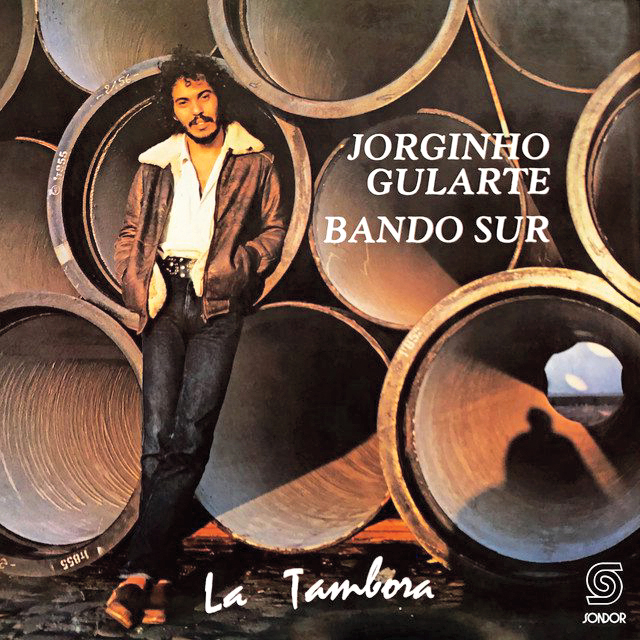
Tambor, tambora
by Jorginho Gularte
Jorginho Gularte was a Brazil-born Uruguayan musician who, in the 1980s, released several candombe beat albums that highlight his expressive voice and innovative style. “Tambor, tambora,” from the 1984 album La Tambora, is a melancholy ode to the drums that give candombe its soul, with his voice in an elaborate dialogue with those of Comparsa Tanganika and Gastón Contenti’s flugelhorn. An unresolved episode of violence ended Gularte’s career prematurely in 2002, so tracks like this make us wonder what he might have gone on to accomplish.
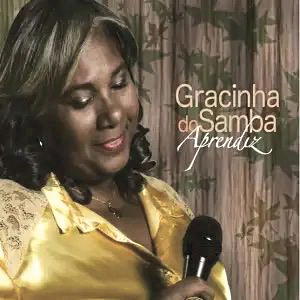
Meu Samba é Raiz
by Grachinha do Samba
This February in Recife, in northeastern Brazil, 3.5 million people enjoyed music and dance on 15 stages featuring big names such as Elba Ramalho and local heroes Lenine and Alceu Valença, alongside abundant lesser-known local talent. One of the stars of 2026 was recifense samba singer Gracinha do Samba, who has dedicated a decades-long career to performing impeccably swinging sambas in the traditional style with a beautiful voice. Speaking of samba, the Carnival music of Rio, “Tenha Fé, Pois Amanhã um Lindo Dia Vai Nascer” is a vintage track by Os Originais do Samba that takes us back to the band’s early days in the 1970s—and they’re still performing.
Later in the playlist, you will hear Rubén Rada’s original “Malísimo,” the soundtrack version of “Samba de Orfeu,” modern candombe, Alceu Valença’s version of “Pagode russo,” and a track by 2026 Calypso Monarch third-place finisher Rikki Jai. We end with a totally unrelated, beautifully serene piece by the Argentine duo of Jonatan Alvarado and Ariel Abramovich based on a 16th-century collection of church music found in Huehuetenango, Guatemala—a reminder that, while Carnival has to end, the magic of music doesn’t have to.
ABOUT THE AUTHOR
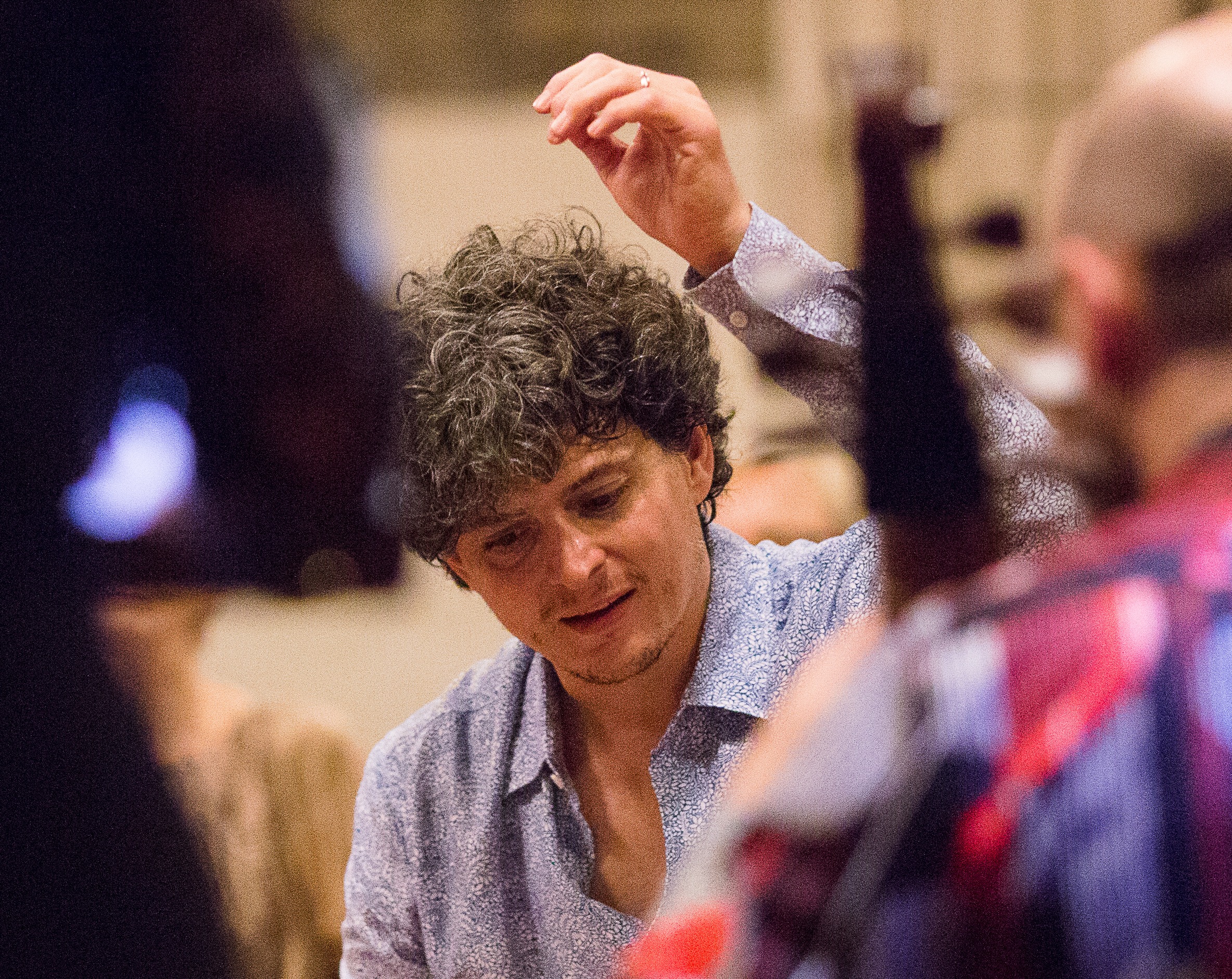
Sebastián Zubieta
Reading Time: 4 minutesZubieta is music director at Americas Society and a composer and conductor who has taught music in Argentina and the U.S. He has conducted early and contemporary vocal music and presented his compositions throughout the region.

Exploring Bad Bunny’s Oeuvre
AQ’s music columnist examines the artist’s body of work ahead of his Super Bowl performance.
The Many Facets of Contemporary Tango
AQ’s music columnist highlights a mix of tracks showcasing the classic genre's modern sounds.