



This article is adapted from AQ’s special report on Latin America’s demographic transformation
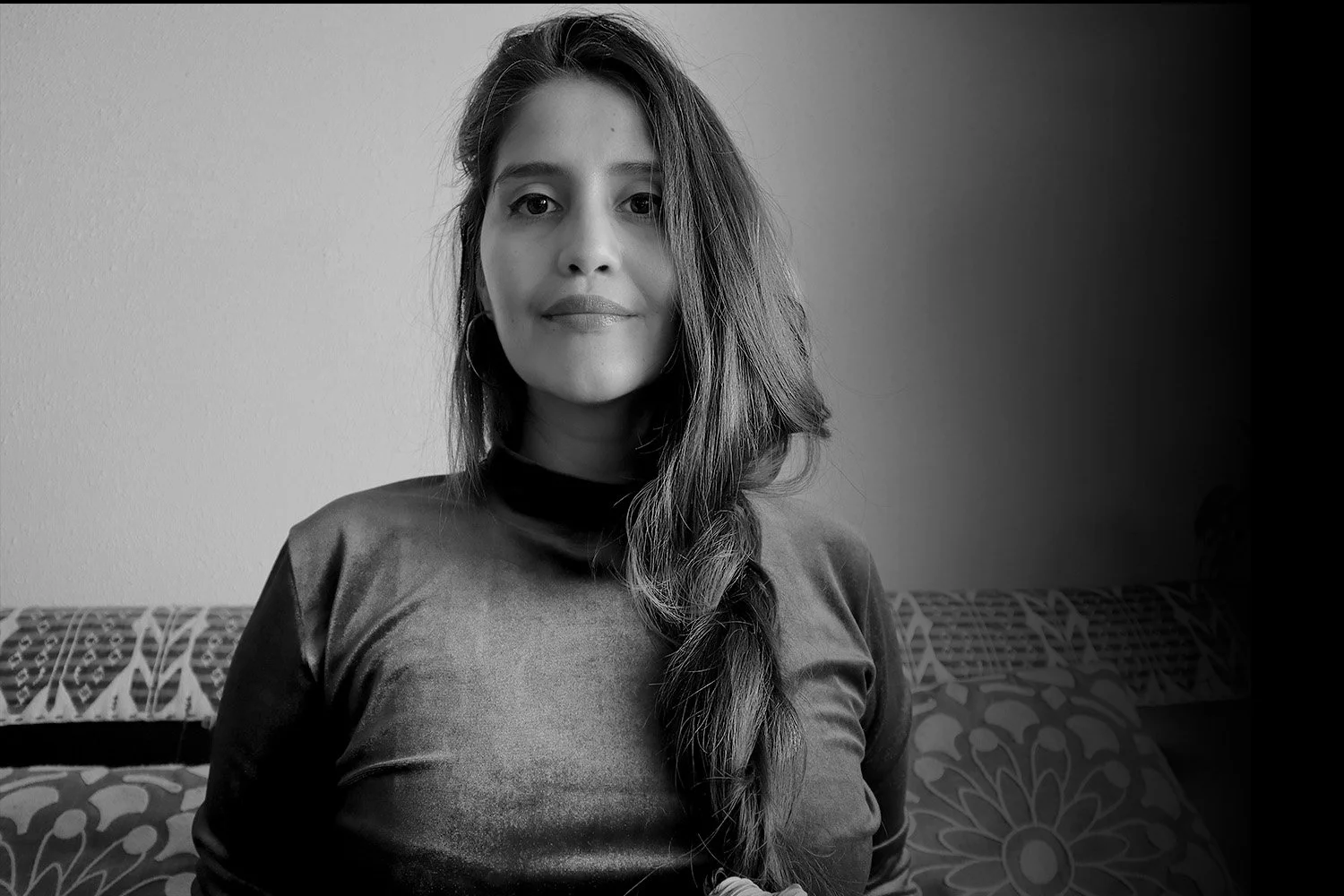
“The word piñen comes from Mapudungun and refers to dust or grime stuck to the skin.” This note opens the new short story collection Piñen by Daniela Catrileo, a Mapuche writer from Chile. The four stories that follow feature characters dealing with piñen as the nexus of body and place, and the grimy inescapability of both. In Chile, the word can be used pejoratively against those of lower class, but here it is merely descriptive: It is what happens to bodies as they occupy the world.
Each story tells of a person marked by their surroundings as they navigate cramped “blocks” of city housing, observing violence, sex or both. The single narrator throughout, a young Mapuche woman, guides us through her neighborhood in each story, introducing us to her neighbors, classmates and best friends. We meet Jesús the moment he dies in a drug deal gone wrong, but the story winds us back to his childhood in a Catholic school, where he stood out for his blonde hair, “the hue of a starving kitten in the empty lots.” The ambient sexual menace of the neighborhood finds its expression in Valeska, the narrator’s childhood friend who faces abuse not only in the streets but also at home. Yajaira and Carolina, the narrator, each grapple with their Mapuche identities, their paths at turns diverging and converging as they reach adulthood. Ale is the brother who has disappeared after a troubled adolescence, leaving his sister with the consolations of the music of Pulp and the poems of Roberto Juarroz.
Though these are stories of individual comings of age—full of the specifics of bands and books and teenage spats and heartbreaks—they take place within a wider Mapuche culture. An uncle who is part of the Colo-Colo soccer team’s Garra Blanca lets his sports fanaticism bring him to the 2019 protests against inequality and cost-of-living. An estranged friend is reencountered in the streets in the wake of the murder of Matias Catrileo, a young Mapuche man shot by police in a land dispute. These are real-life historic events, presented through the lens of a Mapuche resistance so ordinary as to be the background to more central interpersonal conflicts.
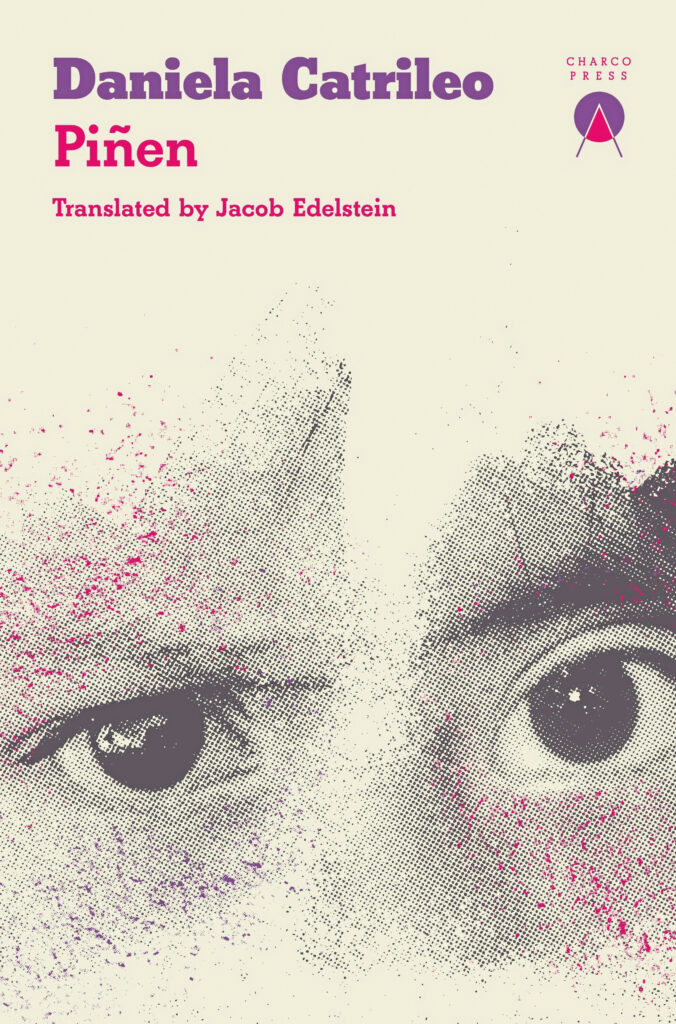
Piñen
Daniela Catrileo
Translated by Jacob Edelstein
Charco Press
288 pages
The translation of these stories, by Jacob Edelstein, preserves the jumble of Chileanisms, Mapudungun, and pop culture that flow through the prose. From the title to phrases and short conversations, a non-Mapudungun reader will be, at times, shut out of understanding the entirety of the text. These untranslated words, like the references to Silvio Rodríguez or The Cure, show that every part of this book might not be for everyone, but together make a world entire. They provide nuance and pinpoint the subjective place in geography, history, and culture from which these stories were written, allowing them to feel rooted even as they are transplanted into another language.
Preceding all of this is an autobiographical statement from Catrileo, “A Letter About My Rivers.” It starts by invoking an urban river, muddy and debris-strewn, overflowing its banks, becoming ungovernable. It is in this image that Piñen truly finds its heart. This river is not just any river—it is the Mapocho River, dividing Santiago in two, its existence preceding the city and the nation and colonization. Its presence, even polluted and overlooked, runs through history as a throughline from the nomadic people who gathered on its banks to the dictators who polluted its waters with the bodies of the disappeared.
While the river itself doesn’t appear in any of the stories, Catrileo, through this introduction, nevertheless chose to anchor her book in it. What purpose, then, does the image serve? The river disrupts the capitalist, rationalist grid of the city as it insists upon itself and its flow. But it is also changed by its passage through the urban sprawl. This is the push and pull that Catrileo deftly lays out for her characters.
ABOUT THE AUTHOR

Alejandra Oliva
Reading Time: 3 minutesOliva is an essayist and embroiderer based in Chicago. Her writing has been included in Best American Travel Writing 2020, and her book, Rivermouth: A Chronicle of Language, Faith and Migration, was published by Astra House.

Visions of the U.S.-Mexico Borderlands
Family history, politics, and ecology remake one another in the new book “Autobiography of Cotton.”
A Classic Cortázar Novel Is Back
"A Certain Lucas" gets a new edition at an opportune moment.