


This page was last updated on June 1
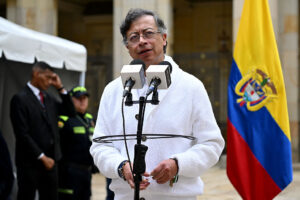
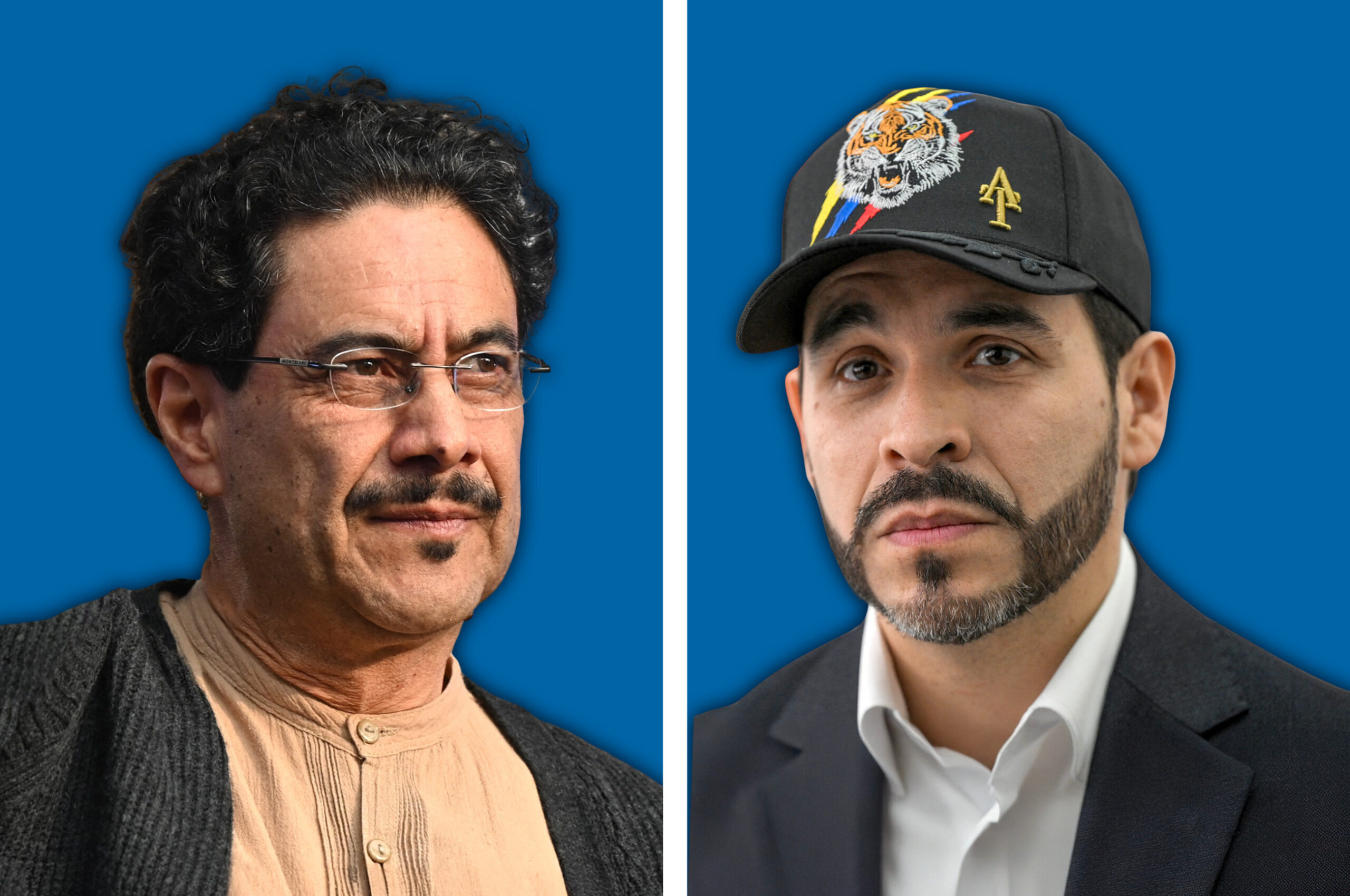
Abelardo De La Espriella, a right-wing outsider, won the first-round presidential election on May 31 with 43.7% of the vote, while leftist Iván Cepeda earned 40.9%, according to official preliminary tallies. They will compete in a runoff on June 21. This result represented a rejection of Colombia’s traditional political establishment and reflected a highly polarized electorate.
The race has been marred by violence after a wave of attacks, including the kidnapping of a senator and the assassination last year of Miguel Uribe Turbay, the first killing of a Colombian presidential candidate in over 30 years. These incidents reinforced the public’s concern over rising crime and the government’s failure to rein in armed insurgent groups as coca production and drug trafficking have boomed in recent years.
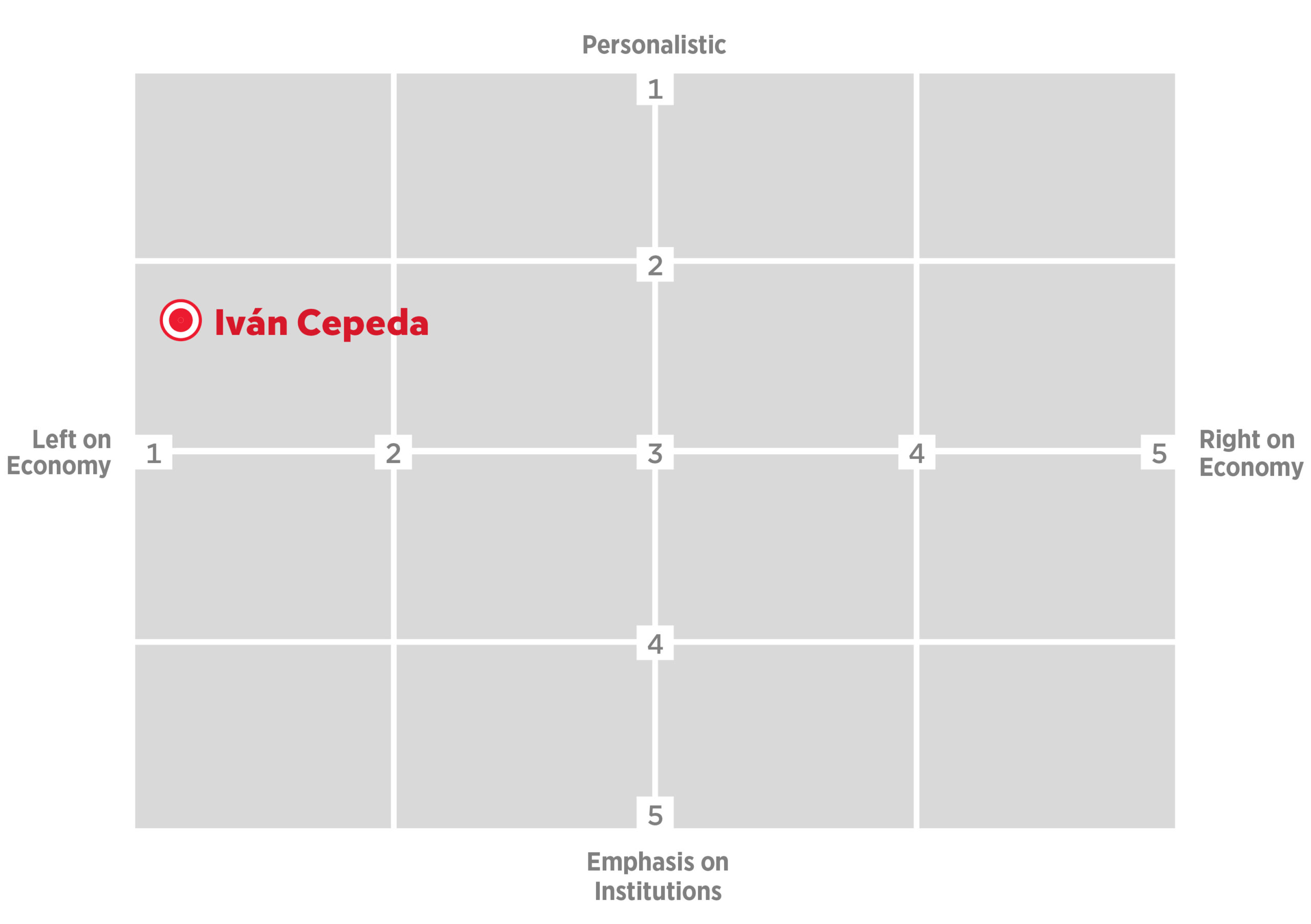
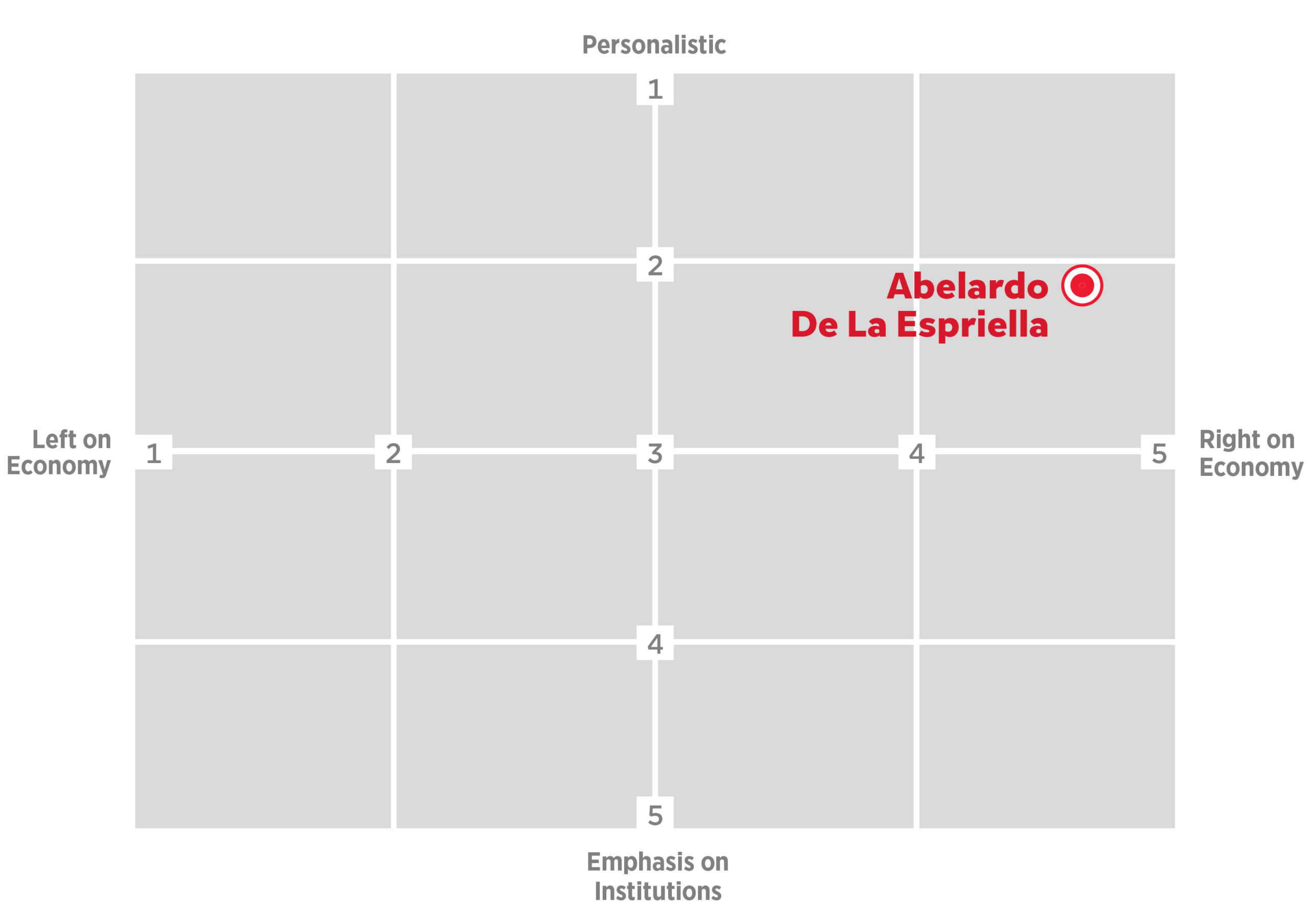
AQ has listed the candidates in alphabetical order by last name, and asked more than a dozen nonpartisan experts on Colombia to help us identify where each candidate stands on two spectrums: left versus right on economic matters, and personalistic versus institutionalist on leadership style.
The results are mapped on the charts below. We’ve published the average response, with a caveat: Platforms evolve, and so do candidates.
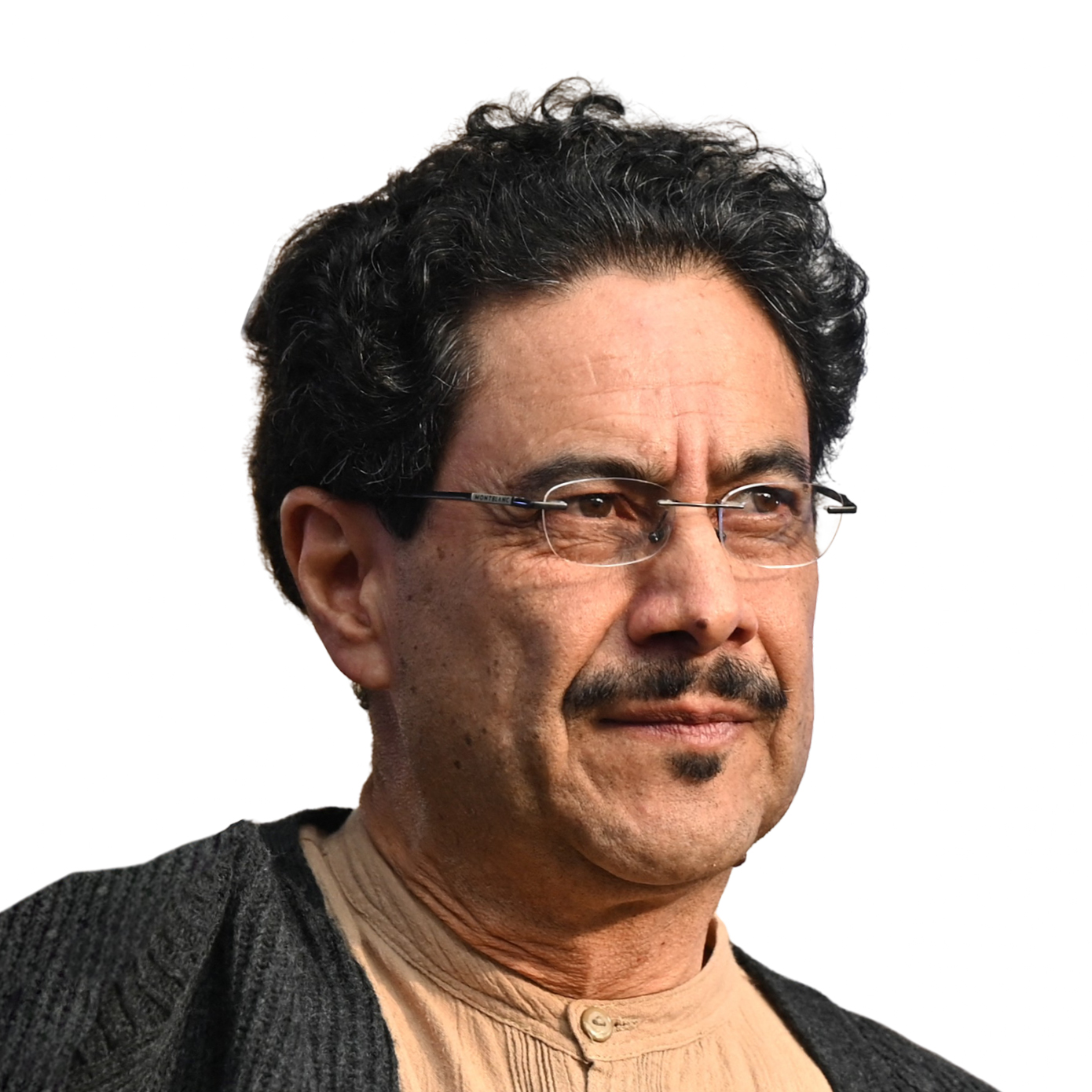
Iván Cepeda
63, Senator
Pacto Histórico
“My proposal is to continue Petro’s program.”
HOW HE GOT HERE
Iván Cepeda is a left-wing senator known nationally for civil rights activism and alleging ties between politicians and right-wing paramilitaries. In 1994, Cepeda’s father, a senator, was killed by a paramilitary group amid a wave of political assassinations. Cepeda was elected to the Chamber of Deputies in 2010 and then to the Senate in 2014. That year, he accused former President Álvaro Uribe (2002-2010) of ties to paramilitary groups. Uribe was convicted last year of witness tampering and bribery in the case; the conviction was overturned, and Cepeda has appealed. (Uribe denies wrongdoing.) Cepeda participated in the Colombian government’s peace talks with the FARC that led to the 2016 Peace Accord, as well as more recent talks with the ELN. He is the president of the Senate’s Peace Commission.
WHY HE MIGHT WIN
Cepeda’s performance in the first-round election indicates that the runoff is likely to be tight. He has solid support from the country’s left-leaning voters, and he may be able to attract some of the voters who cast ballots for centrist and even right-leaning candidates in the first round and view De La Espriella as too extreme. He also earned about the same share of the first-round vote as incumbent President Gustavo Petro did in the 2022 election. He has promised to avoid ad hominem attacks on opponents and instead focus on policy proposals and dialogue, building on his reputation in some corners as a less volatile and polarizing figure than President Gustavo Petro (who cannot seek immediate reelection). Colombians who could benefit from new rural land grants; the recent minimum wage hike of 23% (now under legal review); and last year’s labor reform, which raised night shift, holiday, and weekend pay among other benefits for workers, may vote for a continuity figure.
WHY HE MIGHT LOSE
Cepeda is a close ally of Petro, which may alienate voters; the president has struggled with low approval ratings that have remained below 40% for most of the last two years, rising to around 40% only in the last few months. Moreover, public security is now voters’ top concern, and Cepeda is strongly associated with Petro’s “paz total” strategy that critics blame for worsening violence and stronger insurgencies. His right-wing rivals have also accused him, without clear evidence, of sympathizing with the FARC and other insurgents.
WHO SUPPORTS HIM
Cepeda polls best among younger voters and in Caribbean and Pacific coastal departments. His long history working with grassroots groups across the country gives him a strong base among Petro’s left-leaning supporters. Voters who side with Petro in his on-again, off-again spats with U.S. President Donald Trump may also enter Cepeda’s camp, whether out of ideological alignment or nationalistic pride.
WHAT HE WOULD DO
Cepeda says his presidency would continue Petro’s left-wing labor and economic reform program, presenting himself as the guarantor of the current agenda rather than a new rupture. He would continue to attempt to negotiate with insurgent groups, as opposed to focusing solely on military action, in an effort to avoid greater loss of human lives. He would likely seek to strengthen environmental protections, and he has promised “merciless action” against state corruption.
IDEOLOGY
Abelardo De La Espriella
47, Lawyer and entrepreneur
Movimiento de Salvación Nacional
“In my government, there will be no peace process.”
HOW HE GOT HERE
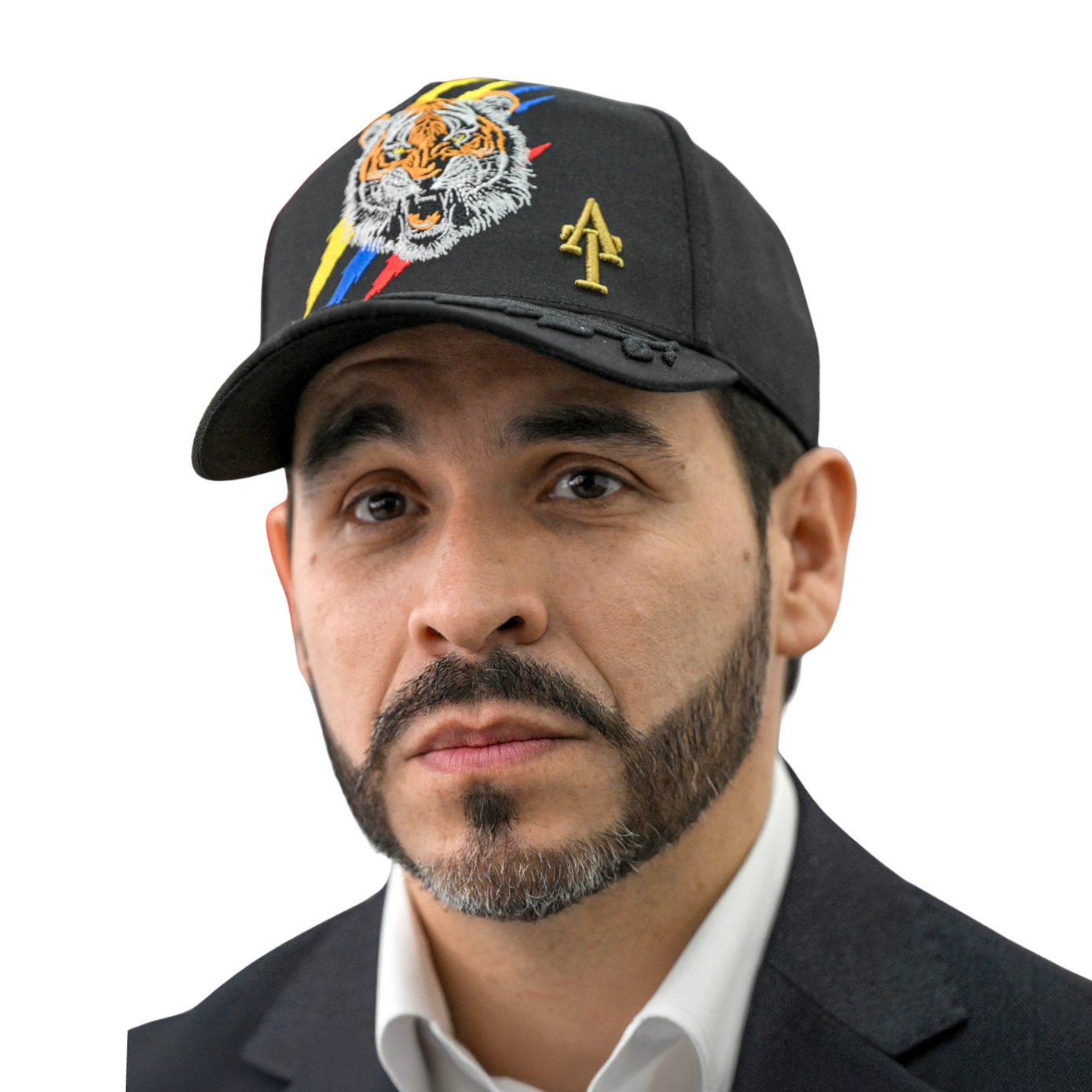
De La Espriella is a high-profile Colombian criminal defense lawyer and businessman who has branded himself as a hard-right outsider. He has built a business universe that includes a food and clothing brand called De La Espriella Style, a wine and rum maker called Dominio De La Espriella, and construction and real estate firms. He also gained notoriety for representing prominent clients, including David Murcia Guzmán, convicted for orchestrating the biggest Ponzi scheme in Colombia’s history, and Alex Saab, a financier and close ally of former dictator Nicolás Maduro. He holds U.S. citizenship, has worked extensively in Miami, and lived in Italy before undertaking this campaign.
WHY HE MIGHT WIN
De La Espriella outperformed expectations in the first round and enters the runoff with momentum as the frontrunner. The third-place finisher, Paloma Valencia, a traditional conservative who won 6.9% of the vote, endorsed De La Espriella shortly after her defeat. Enrique Peñalosa, who also ran in the contest, offered his support as well. De La Espriella has embraced fiery, bombastic rhetoric and saying he entered politics to stop the country from being “destroyed” by the left. He promises an “iron fist” approach to crime as an admirer of Salvadoran President Nayib Bukele, which resonates with many of those voters concerned with the country’s rising rates of crime and violence. He also supports the aggressive small-government approach of Argentine President Javier Milei, which appeals to voters seeking a clean break from the policies of the Petro administration. De La Espriella’s media-savvy culture-war messaging has attracted large crowds to campaign events, and a divided center-right has helped him outpace other conservative contenders.
WHY HE MIGHT LOSE
De La Espriella’s maximalist rhetoric on cultural and political issues may repel moderates, and other conservative candidates are attempting to paint him as too extreme to be able to build the coalitions necessary to govern effectively. He also has less party infrastructure to support him than other candidates on the right. Moreover, his legal defense of figures like Saab and Murcia is controversial and leaves him vulnerable to accusations of involvement with organized crime. De La Espriella denies wrongdoing. Now that he is the frontrunner, however, such allegations may get more attention. His hardline security stances and inflammatory language—he said he would “gut” leftists—may also risk alienating Colombians who fear a return to even worse political violence.
WHO SUPPORTS HIM
His strongest support comes from voters who prioritize public security. Polling suggests he performs best among voters over 35 years old who live in Bogotá and Colombia’s inland departments, and among those disaffected voters who cast null or blank ballots in the last presidential election. He also draws energy from anti-Petro constituencies.
WHAT HE WOULD DO
De La Espriella has said that in his first 90 days in office, he would launch an aerial bombardment and fumigation campaign targeting drug traffickers and other armed groups, pursuing crop substitution programs as well as close military and police ties with the U.S. and Israel. He would also consider allowing the U.S. military to carry out strikes in Colombia. He would defend gun rights and build new maximum security mega-prisons, and to boost economic growth, he would attempt to shrink the state dramatically, boost exports, and expand Colombia’s fossil fuel production. He has also floated less conventional ideas, such as allowing organized crime figures to keep 10% of their illicit wealth in return for the other 90%, less jail time, and no extradition.
IDEOLOGY
ABOUT THE AUTHOR

Rich Brown
Reading Time: < 1 minuteBrown is an editor and production manager at Americas Quarterly.
AQ Podcast | Colombia’s High-Stakes Election
Sergio Guzmán on Colombia’s surge in violence and the upcoming May 31 presidential election.
In Colombia’s Election, Two Conservatives Fight to Face Cepeda
The race between De La Espriella and Valencia will likely define a potential presidential runoff.