



This article is adapted from AQ’s special report on the Trump Doctrine
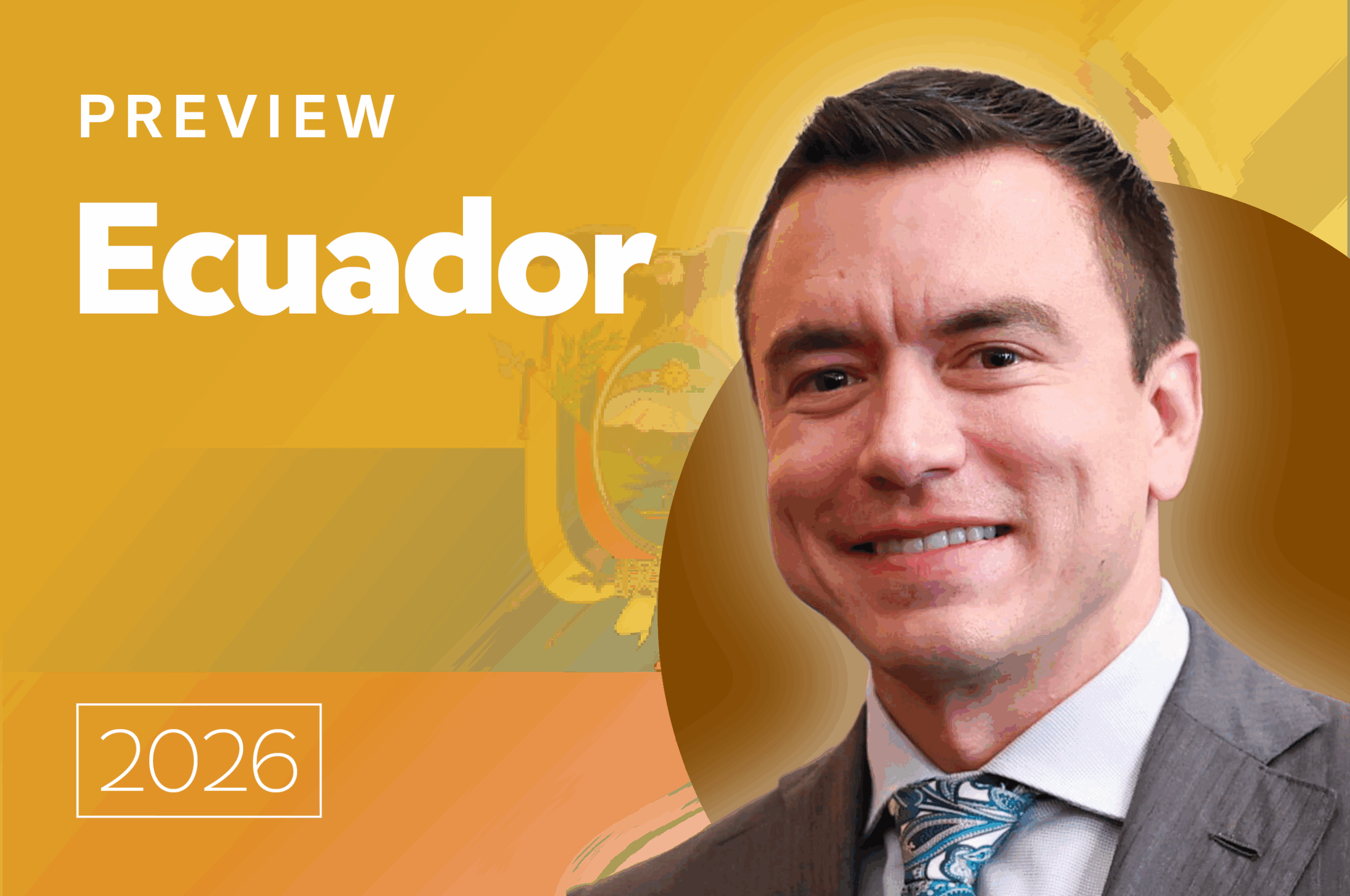
Ecuador

PRESIDENT
Daniel Noboa
IN OFFICE
Since 2023

Noboa begins 2026 with a reshuffled Cabinet following setbacks to his agenda. After a 31-day national strike organized by Ecuador’s main Indigenous confederation over the elimination of a diesel subsidy and other demands, Ecuadorians rejected Noboa’s proposals in a November 2025 referendum that sought to reintroduce foreign military bases, convene a constitutional assembly, and make other changes. According to Fitch, the rejection raised concerns about “ongoing governability challenges.” Security continues to be the administration’s top priority, and with surging violence related to gang fragmentation, last year’s homicide rate was projected to be the highest on record. After an end to the blackouts following a historic drought in 2024, strong domestic demand and non-oil exports are set to drive Ecuador’s economy this year. The IMF has noted that the economy is “recovering much faster than anticipated,” and that Ecuador’s performance in its program “continues to be strong.”
TRENDS TO WATCH
- Progress of Noboa’s agenda
- Fight against organized crime
- Implementation of IMF program
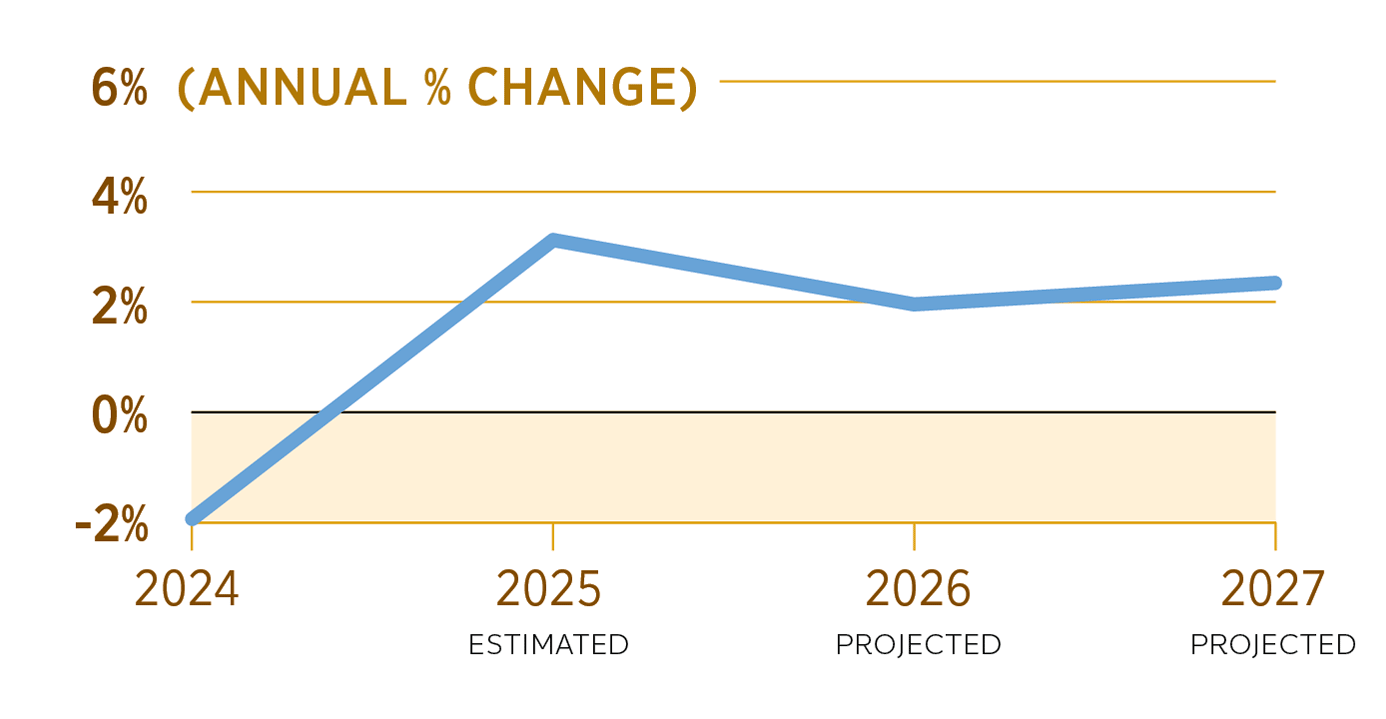
GDP GROWTH
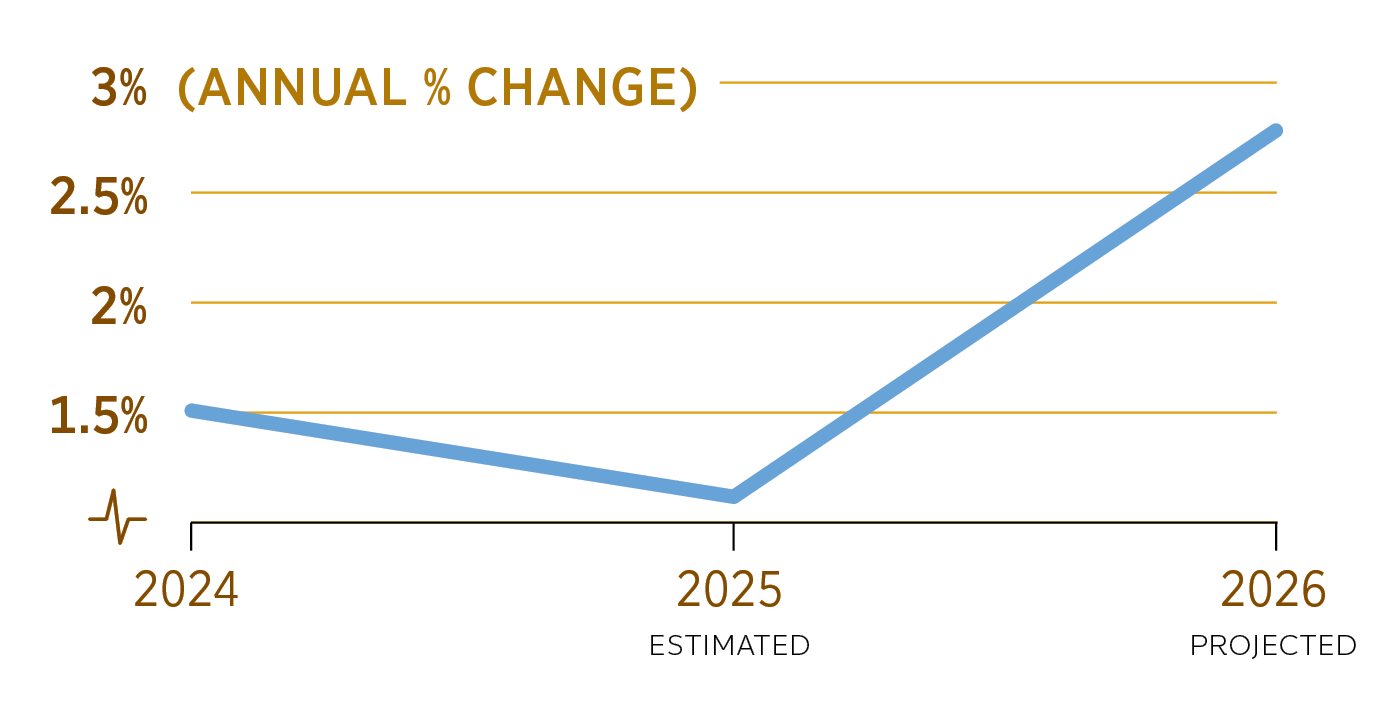
INFLATION RATE
KEY FIGURES
| Population (2026, millions) | 18.2 |
| Poverty rate (2026, World Bank definition, see note below) | 31.8% |
| Unemployment rate (2026) | 3.8% |
| Informal employment rate (2024) | 68.6% |
| Secondary education completion rate (2023) | 78.8% |
ECONOMIC INDICATORS (2026 PROJECTIONS)
| GDP growth (annual % change) | 2.0% |
| Inflation rate (annual % change) | 2.8% |
| Fiscal balance (% GDP) | -0.1% |
| China’s share of total export value (2024) | 14.8% |
| U.S. share of total export value (2024) | 20.4% |
NOTES: Poverty line is $8.30 per day in 2021 PPP. Percentages rounded to nearest decimal point.
SOURCES: Presidential approval: Cedatos (Nov. 2025); GDP growth, inflation, fiscal balance, population, unemployment: IMF (Oct. 2025); Share of total export value: International Trade Centre; Poverty rate: World Bank (Oct. 2025); Informal employment rate: ILO; Secondary education completion rate: IDB.
Click here to access a comparative data table.
ABOUT THE AUTHOR

Emilie Sweigart
Reading Time: 2 minutesSweigart is an editor at Americas Quarterly and a policy manager at the Americas Society/Council of the Americas