

![]() |
The Summit of the Americas brought a ton of Latin American coverage in the U.S. media. Finally. But, now that the Summit is over, press attention to the hemisphere is waning. That is except for the swine flu spreading from Mexico.
There were a few news nuggets that came out of the Summit, but judging from post-Summit news coverage, you’d think that Venezuelan President Hugo Chávez and Cuba were the only stories. Of course, those are the two boilerplate favorites for covering Latin America. There have, in fact, been a number of positive developments—some of them coming out of the Summit. Unfortunately, none of them makes the U.S. news.
![]() |
Whether term limits are essential for democracy is a matter of opinion. Whether certain Latin American politicians are pushing that debate front and center is not a matter of debate.
Recent constitutional assemblies in Ecuador and Bolivia have limited presidential re-election to two terms. In Venezuela, voters cast ballots in a February 15 referendum promoted by President Hugo Chávez to allow unlimited re-election for all elected offices (it was approved), and in Colombia, President Álvaro Uribe continues to keep people guessing as to whether he’ll seek constitutional changes to allow a potential third term.
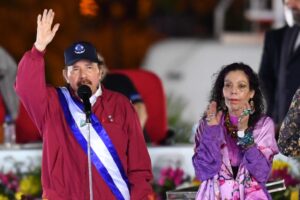
The latest to follow suit is Nicaraguan President Daniel Ortega, who announced in February his intentions for constitutional reform. Nefarious motives have been attributed by publications such as The Economist, which interpreted the move as a power grab between Ortega and his partner in crime, former President Arnoldo Alemán.
AQ's coverage and post-trip analysis of the President's May 2-4 visit.